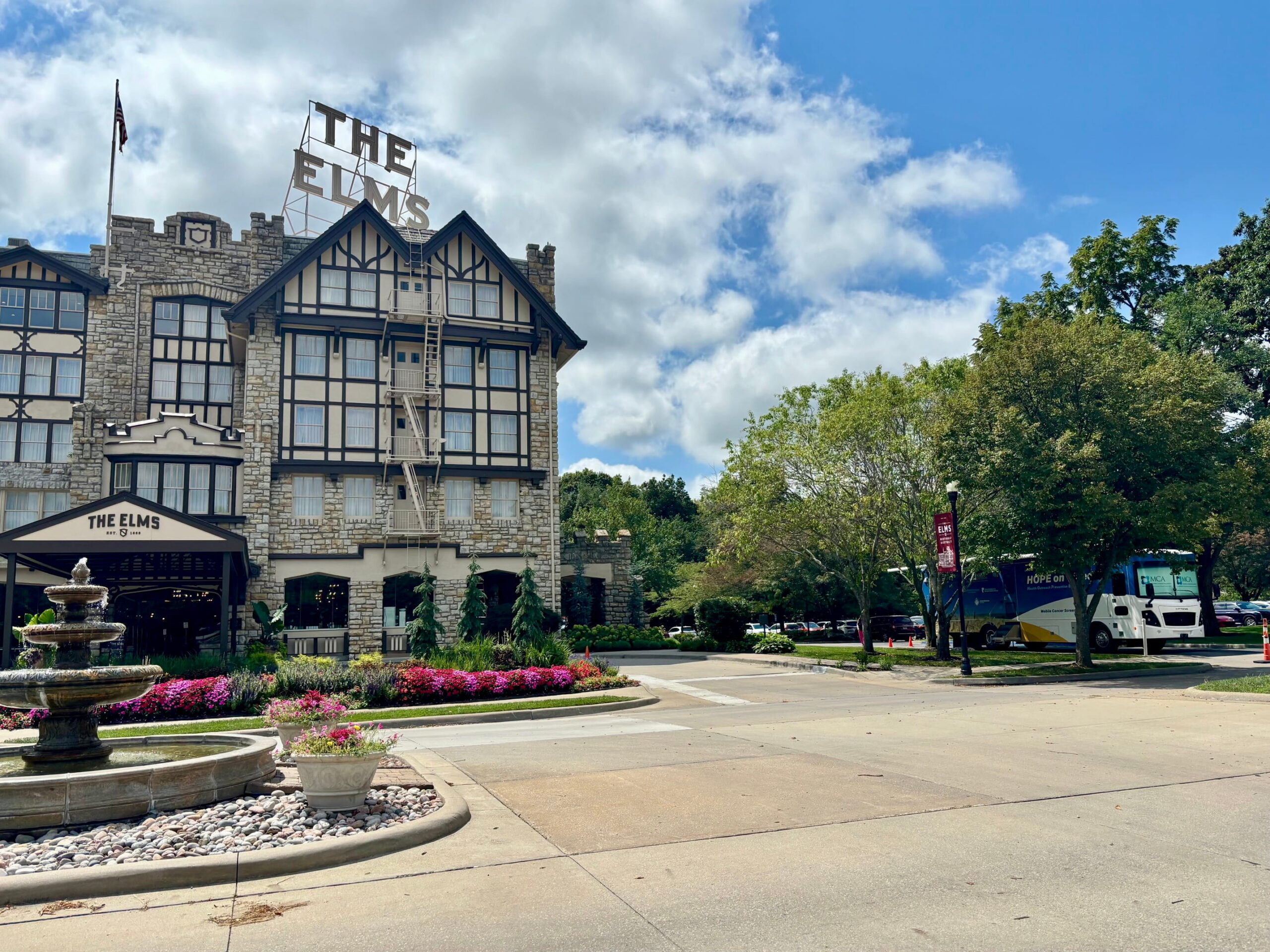
Gateway to Hope brought breast health education, resources, and community services together this month in Excelsior Springs, Missouri, at the Northwest Missouri Breast Health Symposium and Community Resource Fair. Held August 20 at The Elms Hotel & Spa, the event was co-hosted by the Masonic Cancer Alliance — the outreach network of The University of Kansas Cancer Center — and national breast imaging expert Dr. Amy K. Patel.
With the goal of making health information and services more accessible, the event gave community members the opportunity to connect directly with service providers, ask questions, and learn more about the affordable, timely care available to them.
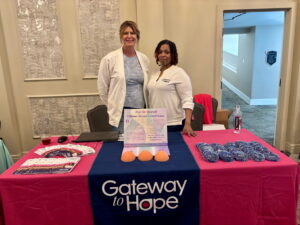
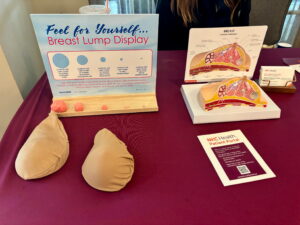
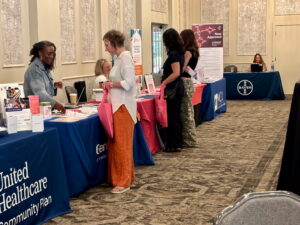
The Community Resource Fair featured more than 15 organizations, including the American Cancer Society, Clay County Public Health Center, Genentech, Harvesters Community Food Network, Home State Health, Show Me Healthy Women, and others. Patient Navigators from Gateway to Hope facilitated on-site, no-cost mammograms for attendees through the Masonic Cancer Alliance’s HOPE on Wheels mobile medical unit. Thirteen women received mammograms during the event, while others connected with Navigators to schedule screenings with their healthcare providers and explore financial assistance.
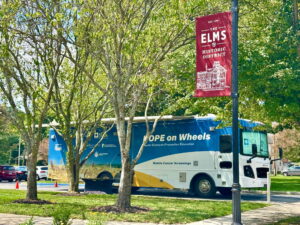
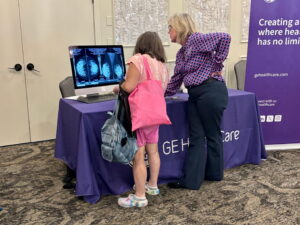
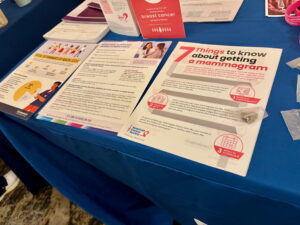
Following the Resource Fair, the Breast Health Symposium featured presentations from Dr. Patel and Stacy Partin, a genetic counselor at Liberty Hospital.
Dr. Patel discussed the current state of breast health in Northwest Missouri, including screening trends, the importance of early detection, current breast cancer screening guidelines, and supplemental screening options for people at higher risk. She also highlighted efforts to advance legislation that would make breast healthcare more accessible and affordable.
“It takes a village, and you just being in the room, that’s the first step,” Dr. Patel told attendees. “The work matters. The blood, sweat, and tears we put into this work matters.”
Partin then spoke on the importance of understanding individual breast cancer risk, including factors such as age, family history, breast density, and lifestyle. She shared stories of patients who were able to develop personalized high-risk care plans after receiving genetic counseling and testing.
“We’re putting the power back into the patient’s hands,” Partin said, “allowing them to get the greatest amount of benefit and the least amount of harm for them and their family members.”
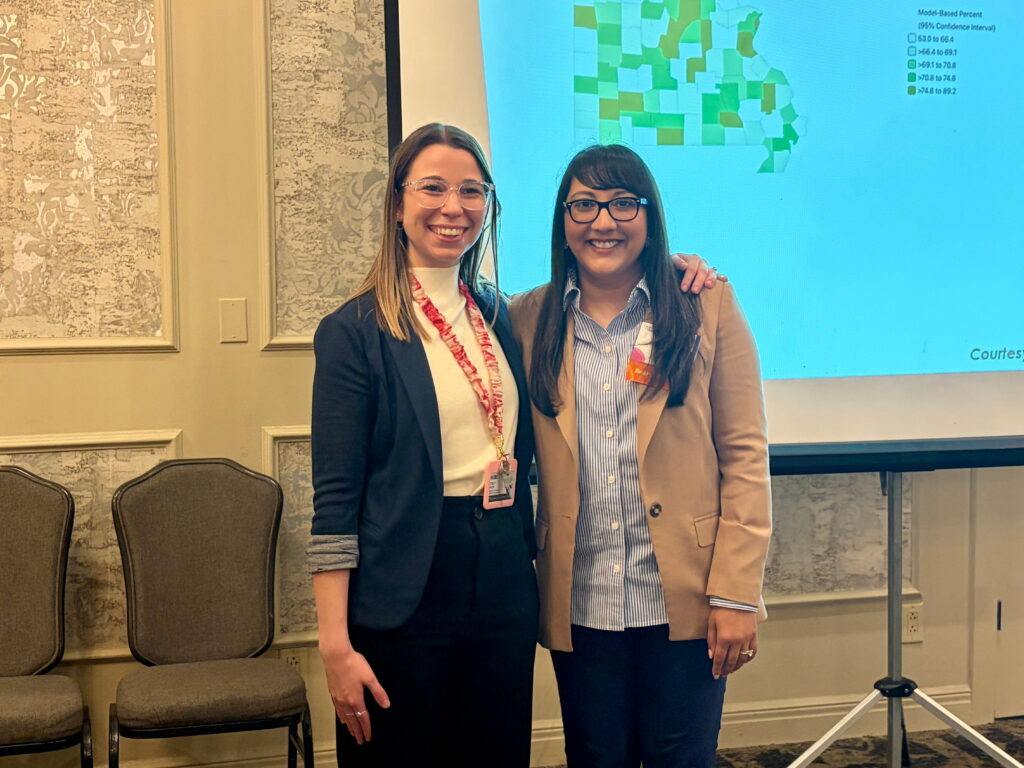
For Gateway to Hope, amplifying available community resources is an important part of removing barriers to breast healthcare across Missouri.
“We understand that taking the reins of our own health is both critical and daunting,” said Katie Manga, Gateway to Hope CEO, as she kicked off the Symposium. “Healthcare — especially breast healthcare — can be confusing and scary, so our aim is to reduce that fear and uncertainty, and provide resources and information so you feel empowered and supported.”